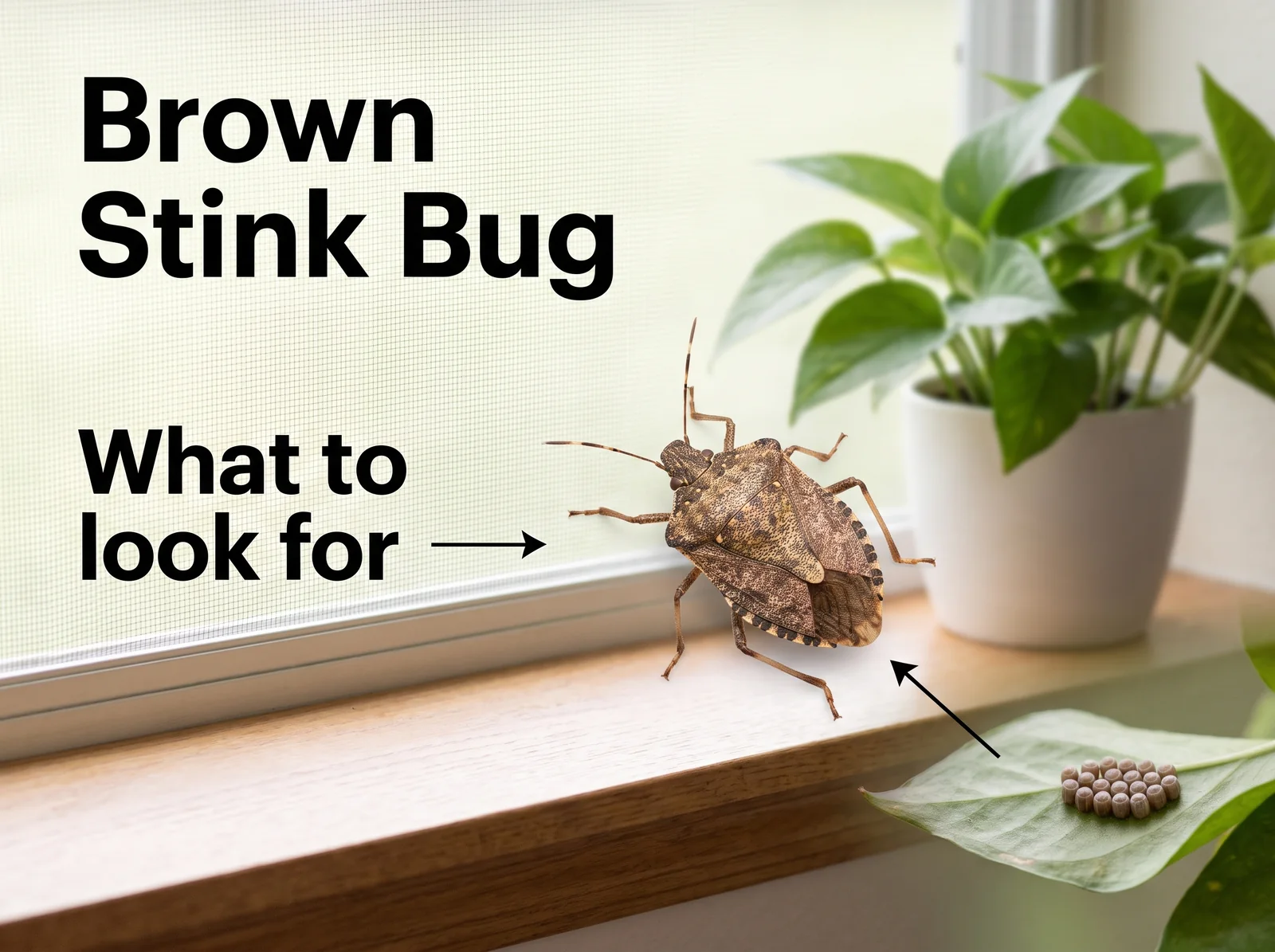
What should you do on the first day you see brown stink bugs?
The first day matters because it sets the tone for how easy this stays. Walk through your home and note where you're seeing the bugs: on window screens, near light fixtures, in a specific room, or clustered on an exterior wall. This tells you whether you have a few strays or a real entry point.
Do not crush them. Brown stink bugs release a strong odor when squashed, and that smell can linger in fabric and carpet. Instead, use a cup and stiff paper to trap and release them outside, or use a vacuum with a bag you can seal and toss right away.
If you find more than a handful, especially near a single wall or window, that's your first clue about a source. Take five minutes to check the outside of your home in that same spot before doing anything else. Most people who want to get rid of brown stink bug problems fast skip this step and end up repeating the work.
- Trap and release with a cup and paper, don't crush
- Vacuum with a bag you can seal and discard outside
- Note where you're seeing the most activity
- Check the matching exterior wall for gaps or cracks
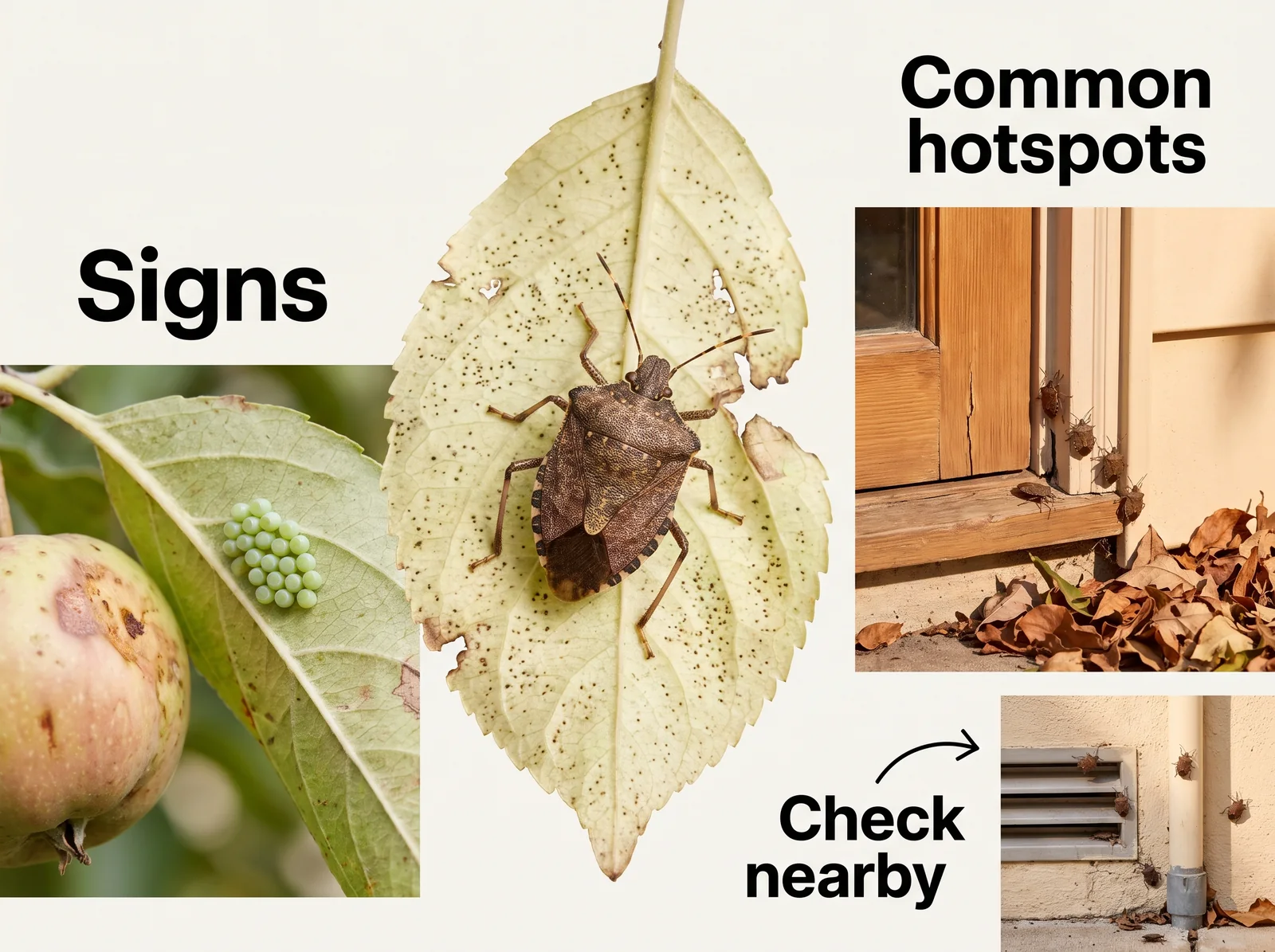
How do you confirm it's actually a brown marmorated stink bug?
Before you spend time on removal, make sure you're dealing with the right insect. Brown marmorated stink bugs are mottled brown, shield-shaped, and about the size of a fingernail. Look for light bands on the last two segments of the antennae and alternating light and dark marks along the edge of the abdomen, visible from above.
A few other insects get mistaken for this pest, including western conifer seed bugs and some native stink bug species. The banding on the antennae and legs is the most reliable feature to check with a photo or a clear look.
If you're not sure, a photo comparison against a reliable identification source saves you from treating the wrong insect. Learning how to get rid of brown marmorated stink bug activity only works if the identification is correct first.
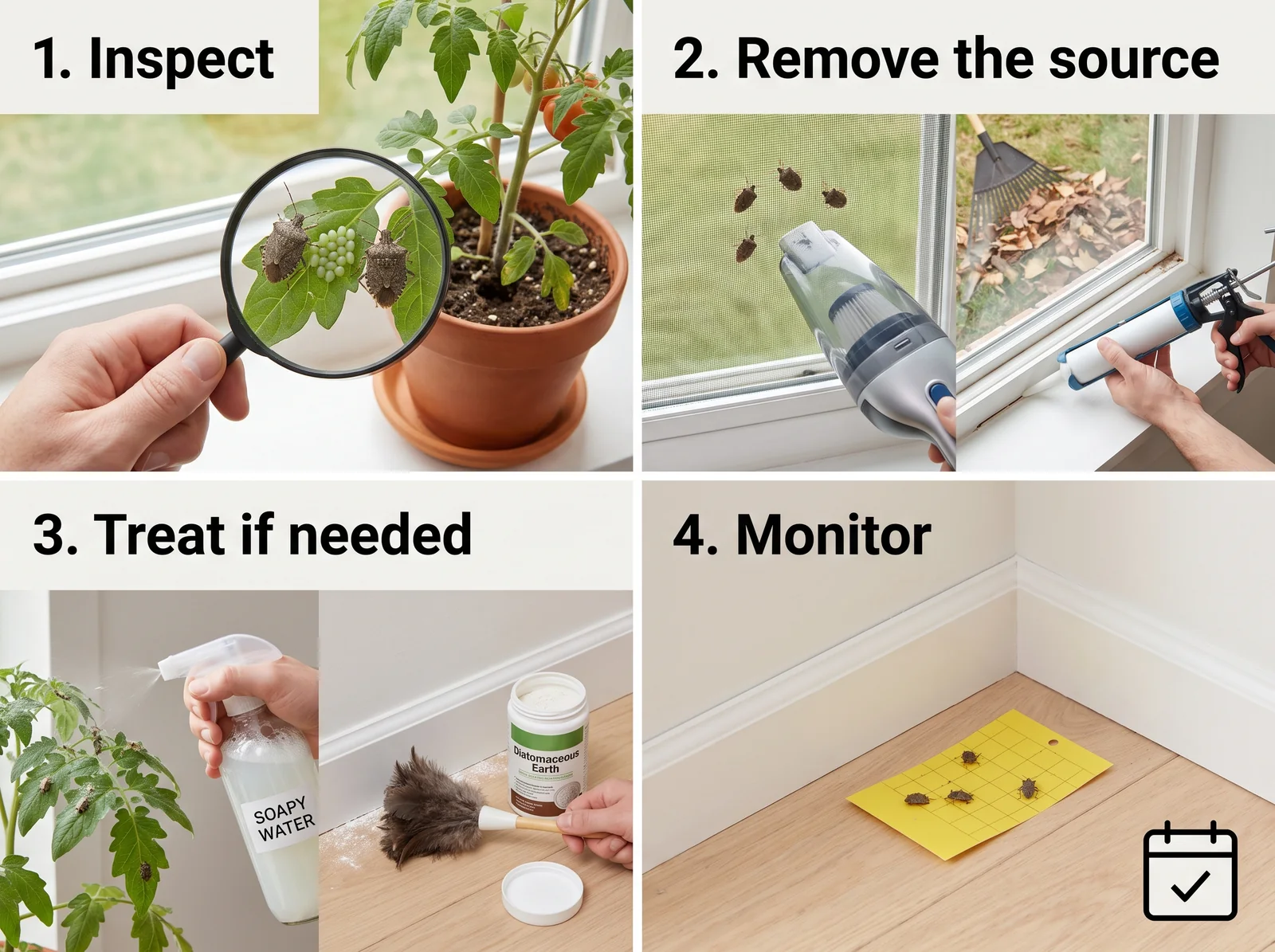
Where do brown stink bugs come from, and how do you find the source?
Brown stink bugs don't nest or breed inside your home. They come in from outside, usually searching for a warm place to spend the winter, so the real question is not where they're living but where they're getting in.
Start outside and walk the perimeter of your house in daylight. Look at window and door frames, siding seams, vents, chimney caps, and any spot where a pipe or cable enters the wall. Gaps as small as a quarter inch are enough for a stink bug to squeeze through.
Inside, check attic vents, soffits, and any unfinished space where light or outside air comes through. If you're seeing them near a specific window or corner of a room, that's usually a strong sign the gap is close by on the exterior wall behind it.
Keep a simple list as you go: location, size of the gap, and whether you saw bugs actually using it. This turns a random search into a real plan for sealing entry points later.
- Window and door frames
- Siding seams and trim boards
- Vents, chimney caps, and exhaust fans
- Utility line and pipe penetrations
- Attic soffits and gable vents
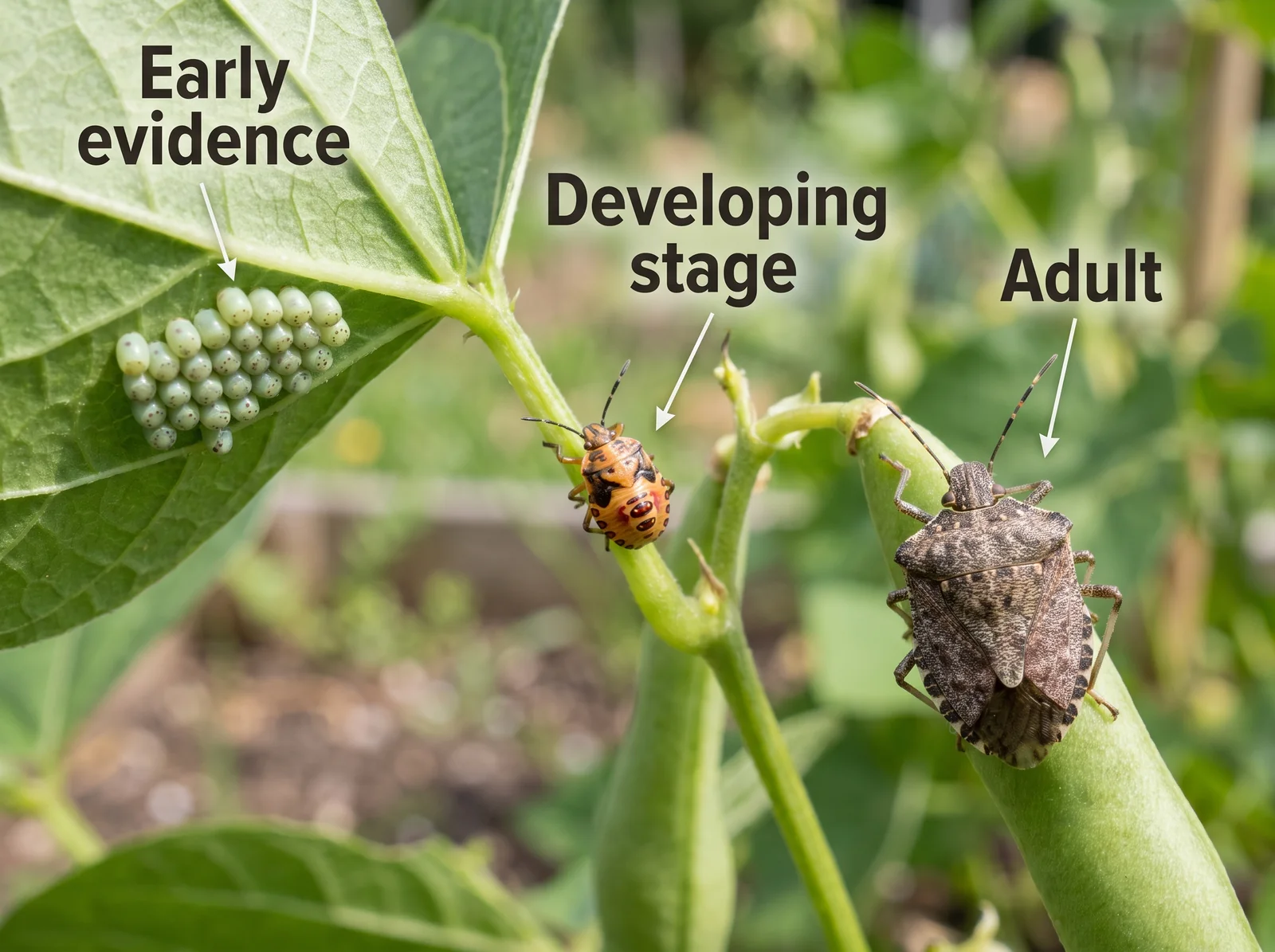
What are the best ways to remove brown stink bugs?
Physical removal is the safest and most effective first step. A vacuum with a disposable bag works well for scattered bugs on walls, ceilings, or window screens. Empty the canister or seal the bag and take it outside right away so the odor doesn't stay in your home.
For smaller numbers, the cup-and-paper trap-and-release method works fine and avoids the smell altogether. If you're dealing with a heavier cluster near one window or door, focus your effort there rather than chasing individual bugs around the house.
Light traps placed near windows at night can pull in stink bugs that are drawn to light, which helps during fall when they're actively searching for shelter. This won't solve an entry point problem on its own, but it reduces numbers while you work on sealing gaps.
If you decide a pesticide is necessary, use only an EPA-registered product labeled for stink bugs and for the site you plan to treat, and follow the entire label exactly. Skip homemade sprays or mixtures, since they aren't tested for safety or effectiveness and can create more problems than they solve.
- Vacuum and dispose of the bag outside immediately
- Trap and release rather than crushing
- Use a light trap near problem windows in fall
- Only use a labeled, EPA-registered product if needed, following the label completely

How do you monitor for stink bugs after removal?
Once you've cleared out what you can see, keep checking the same hot spots for a week or two. A quick look at windowsills, light fixtures, and the corner where you found the entry point tells you whether the problem is actually resolved.
Sticky traps placed near windows or in an attic can help you track activity without a lot of effort. Check them every few days rather than leaving them for weeks, since a full trap tells you nothing new.
If you notice a new cluster in a different spot, that usually means there's a second entry point you haven't found yet. Go back through the inspection list you made earlier and check whether an unlisted area, like a garage door seal or dryer vent, needs a closer look.
How can you prevent brown stink bugs from coming back?
Prevention comes down to sealing what you found during inspection. Caulk gaps around windows and doors, replace worn weatherstripping, and add fine mesh screens over vents where bugs have been getting in.
Outdoor lighting matters too. Stink bugs are drawn to light at night, so switching to yellow or motion-activated bulbs near entry doors can reduce how many end up on your siding in the first place.
Fall is the key window for prevention work, since that's when stink bugs actively look for winter shelter. If you get gaps sealed before the weather turns, you'll deal with far fewer bugs trying to get rid of brown stink bug activity the following spring.
Keep firewood, mulch, and dense plantings a few feet away from your foundation. These give stink bugs a staging area right next to your house before they attempt to get inside.
- Caulk gaps around windows, doors, and trim
- Replace worn weatherstripping and door sweeps
- Screen vents and chimney openings
- Switch to yellow or motion-activated outdoor lighting
- Keep firewood and mulch away from the foundation
Are brown stink bugs dangerous to kids or pets?
Brown stink bugs don't bite or sting, and they aren't known to carry disease. The main issue is the odor they release when disturbed or crushed, which can be unpleasant but isn't a health hazard on its own.
Pets sometimes try to eat or bite at a stink bug out of curiosity. This can cause drooling or mild stomach upset from the odor compound, though serious reactions are uncommon. If your pet seems to be in ongoing distress after contact, call your veterinarian.
If you use any pesticide product indoors, keep children and pets out of the treated area for as long as the label specifies. This detail is easy to skip but it's one of the most important parts of using any product safely around a family.
When does it make sense to call a pest control professional?
Most brown stink bug problems can be handled with inspection, sealing, and removal on your own. A professional becomes worth considering when you're finding large numbers repeatedly despite sealing obvious gaps, or when the entry point seems to be somewhere hard to reach, like a roofline or chimney flashing.
It also makes sense to call someone if you're dealing with a large structure, a multi-unit building, or an infestation tied to a wall void you can't inspect yourself. A licensed technician has tools like moisture meters and borescopes that can find entry points a visual walkthrough misses.
If you've already tried trapping, sealing, and monitoring and you're still seeing new bugs every week, that pattern is a sign the source hasn't been found yet, and a professional inspection can save you time.
Questions you may still have
How do you get rid of brown stink bugs already inside the house?
Vacuum them up with a bag you can seal and dispose of outside, or trap them in a cup and release them outdoors. Avoid crushing them since they release a strong odor when disturbed. After removal, check nearby windows, vents, and wall gaps for the entry point, since more bugs will keep appearing until that gap is sealed.
Why do I keep seeing brown marmorated stink bugs in the fall?
Fall is when brown marmorated stink bugs actively search for a warm place to spend the winter, so they cluster on sunny walls and try to squeeze through small gaps around windows, siding, and vents. This seasonal search is normal and doesn't mean your home has an unusual problem, but sealing entry points before winter reduces how many get in.
Do brown stink bugs cause damage inside a home?
No. Brown stink bugs feed on fruit, vegetable, and ornamental plants outdoors, not on wood, fabric, or food inside your home. Indoors they're mainly a nuisance and an odor issue when disturbed, not a structural or property damage risk.
What smells or repels brown stink bugs?
There's no reliable homemade spray or scent proven to repel brown stink bugs, and mixing your own chemical solutions isn't recommended. Sealing entry points, using light traps, and reducing outdoor lighting near doors are the most effective non-chemical steps. If you choose a pesticide, use only an EPA-registered product labeled for stink bugs and follow the label completely.
Can brown stink bugs multiply inside my walls?
Brown marmorated stink bugs don't breed indoors under normal home conditions; they overwinter in a dormant state and become active again in spring, at which point they typically try to leave. If you're seeing large, repeated numbers, it usually points to multiple entry points rather than indoor breeding.